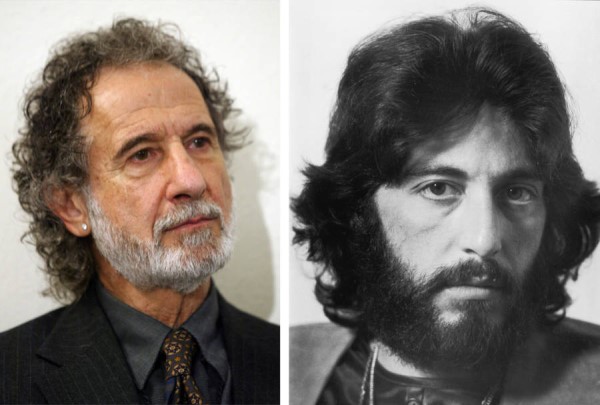
Introduction: A Lone Voice Against a Broken System
The story of Frank Serpico is not your everyday tale of law enforcement heroism. It is a gritty, no-holds-barred account of a man who stood toe-to-toe with corruption and refused to back down, even when the odds were stacked sky-high against him. In an era when keeping your head down was the norm, Serpico chose to speak up, proving that sometimes one honest voice can shake an entire system to its core.
Born in Brooklyn, New York, Frank Serpico didn’t set out to become a symbol of integrity. Like many young men, he joined the police force with a sense of purpose and a desire to serve his community. However, what he discovered behind the badge was a culture of corruption so deeply rooted that it seemed almost impossible to challenge. Yet, as the saying goes, “truth will out,” and Serpico became the embodiment of that truth.
Early Life and the Call to Serve
From Brooklyn Streets to the Police Academy
Frank Serpico was born in 1936 to Italian immigrant parents, growing up in a modest neighborhood that shaped his values of honesty and hard work. His early life was far from glamorous, but it instilled in him a strong moral compass that would later guide his actions. Before joining the police force, Frank Serpico served in the U.S. Army, an experience that further strengthened his discipline and sense of duty.
When Frank Serpico entered the New York Police Department (NYPD) in 1959, Frank Serpico believed he was stepping into a role where he could make a difference. However, it didn’t take long for him to realize that the reality of policing was not as black and white as he had imagined. The idealism he carried with him soon collided with a system riddled with unethical practices.
A Harsh Reality Uncovered
As a young officer, Frank Serpico quickly noticed that corruption was not an occasional problem but a widespread practice. Bribes, payoffs, and kickbacks were part of the daily routine for many officers. Accepting money from illegal operations was seen as just another perk of the job, and those who refused were often ostracized.
Frank Serpico’s refusal to participate in these activities made him an outsider within his own department. He was labeled as difficult, uncooperative, and even naive. But he stood his ground, believing that wearing the badge meant upholding the law, not bending it. His integrity set him apart, but it also painted a target on his back.
The Fight Against Corruption
Standing Alone in a Sea of Silence
Frank Serpico’s battle against corruption was anything but easy. He reported unethical behavior to his superiors, expecting action to be taken. Instead, his complaints were often ignored or brushed aside. It became clear that the problem was not limited to a few bad apples; it was systemic.
Despite the lack of support, Serpico refused to sweep things under the rug. Frank Serpico continued to document instances of corruption, risking his career and personal safety. In a culture where silence was golden, his willingness to speak out was both rare and dangerous. As the old saying goes, “the nail that sticks out gets hammered down,” and Serpico was that nail.
Taking the Fight Public
When internal efforts failed, Serpico took a bold step that would change everything. He brought his concerns to the attention of journalists, exposing the corruption within the NYPD to the public. This move was a game-changer, forcing the issue into the spotlight and making it impossible to ignore.
His revelations led to the formation of the Knapp Commission, an independent body tasked with investigating corruption within the police department. Serpico’s testimony before the commission was both powerful and damning, shedding light on practices that had long been hidden from public view. It was a turning point that marked the beginning of significant reforms.
The Price of Integrity
A Dangerous Consequence
Standing up for what is right often comes at a cost, and Frank Serpico paid a heavy price. In 1971, during a drug bust in Brooklyn, he was shot in the face under circumstances that many believe were linked to his whistleblowing. Backup that should have been there was delayed, raising serious questions about whether he had been deliberately left vulnerable.
The incident left Serpico severely injured, both physically and emotionally. It was a stark reminder that challenging a corrupt system can be a life-threatening endeavor. Yet, even in the face of such adversity, he did not waver in his commitment to the truth.
Exile and Reflection
After recovering from his injuries, Serpico left the NYPD and eventually moved abroad, spending years in self-imposed exile. During this time, he reflected on his experiences and the impact of his actions. While he had exposed corruption and sparked change, the personal toll was undeniable.
Despite the hardships, Frank Serpico remained steadfast in his belief that he had done the right thing. His story became a symbol of courage and integrity, inspiring others to stand up against injustice, no matter the cost. Sometimes, doing the right thing means walking a lonely road, and Serpico walked it with unwavering resolve.
Legacy and Cultural Impact
A Story That Captured the World
Frank Serpico’s story reached a wider audience through the 1973 film Serpico, starring Al Pacino. The movie brought his experiences to life, highlighting the challenges he faced and the courage it took to stand up against corruption. It became a cultural touchstone, cementing Serpico’s place in history as a symbol of integrity.
The film not only entertained but also educated viewers about the realities of police corruption. It sparked conversations about accountability and transparency, issues that remain relevant to this day. Serpico’s story proved that truth is often stranger and more compelling than fiction.
A Lasting Influence on Law Enforcement
The impact of Frank Serpico’s actions extended far beyond his own career. The reforms initiated by the Knapp Commission led to increased oversight and accountability within the NYPD. While corruption did not disappear entirely, the changes marked a significant step in the right direction.
Frank Serpico’s legacy continues to influence discussions about ethics in law enforcement. His story serves as a reminder that institutions are only as strong as the integrity of the individuals within them. It also underscores the importance of whistleblowers in holding powerful systems accountable.
Lessons from Frank Serpico’s Journey
Integrity Is Non-Negotiable
One of the most important lessons from Serpico’s life is that integrity should never be compromised. In a world where cutting corners can sometimes seem like the easier path, his story reminds us that honesty is worth fighting for. It may not always be the popular choice, but it is the right one.
Frank Serpico’s unwavering commitment to his principles shows that true character is revealed in moments of adversity. When faced with pressure to conform, he chose to stand firm, proving that integrity is not just a value it is a way of life.
Courage Can Spark Change
Frank Serpico’s courage had a ripple effect, leading to significant reforms and increased awareness about corruption. His willingness to speak out demonstrated that one person can indeed make a difference. It’s a classic case of “be the change you wish to see in the world.”
His story encourages others to find their voice and use it, even when it feels like an uphill battle. Change often begins with a single step, and Serpico took that step when it mattered most.
Conclusion: A Beacon of Truth in a Complicated World
The life of Frank Serpico is a powerful reminder that standing up for what is right is never easy, but it is always necessary. His journey from a young idealistic officer to a fearless whistleblower is a testament to the power of courage and conviction. He didn’t just expose corruption; he challenged an entire system to do better.
In a world where it’s often tempting to look the other way, Serpico’s story urges us to take a stand. It reminds us that integrity is not just about personal choices but about the impact those choices have on society as a whole. As the dust settles, one thing becomes clear: Frank Serpico didn’t just wear a badge—he honored it in the truest sense of the word.