Introduction
There are cheeses that demand attention the sharp, aged varieties that make your taste buds stand up straight and then there are cheeses that simply make everything better without asking for the spotlight. Colby Jack is firmly in the second camp. This beloved American cheese has been a staple in kitchens, delis, and lunchboxes across the country for generations, and for very good reason. It is mild enough for picky eaters, versatile enough for adventurous cooks, and visually striking enough to make any cheese board look like it was put together by a professional. If you have been sleeping on Colby Jack, it is high time you woke up.
What Exactly Is Colby Jack Cheese?
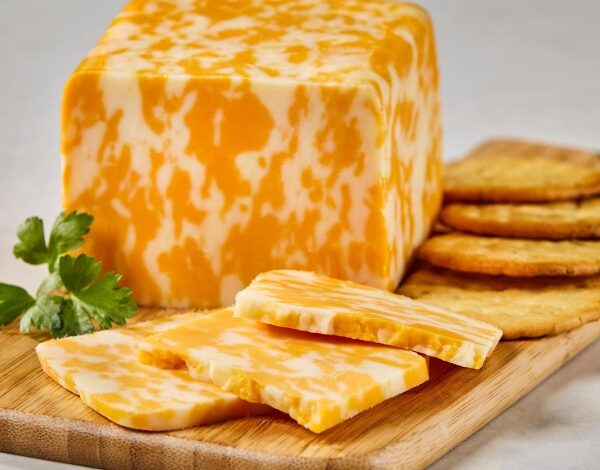
Colby Jack sometimes written as Colby-Jack or Co-Jack is a marbled American cheese made by combining Colby cheese and Monterey Jack cheese during the cheese making process. The result is a semi-hard cheese with a distinctive orange-and-white marbled pattern that makes it instantly recognizable in any grocery store dairy aisle. The two cheeses are blended before they fully set, allowing them to fuse together while still maintaining their individual color contrasts, which gives Colby Jack its signature swirled appearance that looks almost too pretty to eat.
The flavor profile of Colby Jack sits right in the sweet spot between mild and interesting. Colby brings a slightly earthy, buttery note to the blend, while Monterey Jack contributes a creamy, mild tanginess. Together, they create a cheese that is approachable for people who do not want anything too sharp or pungent, yet flavorful enough that it never feels bland or boring. It melts beautifully, slices cleanly, and shreds without a fight three qualities that any home cook will tell you are worth their weight in gold.
The American Roots of a Beloved Cheese
The Origin of Colby Cheese
To understand Colby Jack, you first need to know where its two parent cheeses come from and both of them are proudly American. Colby cheese was first developed in 1885 in Colby, Wisconsin, by cheese maker Joseph F. Steinwand. Unlike cheddar, which goes through a cheddaring process that removes much of the moisture, Colby is washed with cold water during production. This washing step halts the acidification process early, resulting in a softer, moister, and milder cheese than cheddar. Wisconsin has long been the heartland of American cheese making, and Colby was one of its early crown jewels a genuinely original American creation rather than a transplant from European tradition.
The Origin of Monterey Jack
Monterey Jack has its own fascinating American story. It traces its roots back to the Franciscan friars who lived in Monterey, California, during the Spanish colonial period and made a mild, fresh cheese from cow’s milk. In the 1800s, a businessman named David Jacks began commercially producing and distributing this cheese widely, and it eventually took on his name. Monterey Jack became a California staple known for its incredibly smooth melt and mild flavor a natural partner for spicy foods and a go-to cheese for Mexican-American cuisine. When cheese makers eventually decided to blend Colby and Monterey Jack together, the combination was nothing short of a match made in dairy heaven.
Why Colby Jack Has Stood the Test of Time
A Cheese for Every Occasion
One of the biggest reasons Colby Jack has remained so popular decade after decade is its sheer versatility. It does not pigeonhole itself into one type of dish or cuisine it shows up everywhere and always pulls its weight. Melt it over a burger and it creates a creamy, gooey layer that brings everything together. Slice it thin for a sandwich and it delivers just enough flavor without overpowering the other ingredients. Cube it for a cheese board and its marbled appearance adds visual interest alongside sharper, more pungent varieties. Shred it over nachos, enchiladas, or a baked casserole and watch it melt into a smooth, golden blanket that makes the whole dish sing.
Families with children tend to be particularly fond of Colby Jack because it hits that sweet spot of being flavorful enough for adults while remaining mild and non-threatening for kids who turn their noses up at anything too strong. It is the kind of cheese that brings everyone to the table without any complaints and in a household of picky eaters, that is genuinely priceless.
Nutritional Value Worth Knowing
Beyond its taste and versatility, Colby Jack is a genuinely nutritious food when enjoyed as part of a balanced diet. A standard one-ounce serving delivers a solid amount of protein typically around six to seven grams along with calcium, phosphorus, and vitamins A and B12. Calcium is essential for bone health, and dairy-based cheeses like Colby Jack remain one of the most bioavailable sources of this mineral in the typical American diet. Yes, it contains saturated fat and sodium, and like any cheese, it is best enjoyed in reasonable portions rather than by the fistful. But when used thoughtfully as an ingredient or a snack, it is a far more nutrient-dense choice than many of the processed snack foods it often competes with.
How to Use Colby Jack Like a Pro in the Kitchen
Cooking and Melting Applications
If you are looking for a cheese that melts like a dream without becoming greasy or breaking apart, Colby Jack deserves a permanent spot in your refrigerator. Its moderate fat content and semi-soft texture mean it melts smoothly and evenly, making it an excellent choice for quesadillas, grilled cheese sandwiches, macaroni and cheese, and omelets. When making a quick stovetop mac and cheese, substituting or combining Colby Jack with sharp cheddar adds a creamier texture that takes the dish from ordinary to outstanding. For homemade burgers on the grill, laying a slice of Colby Jack over the patty during the last minute of cooking gives you that iconic, diner-style melt that drapes over the edges and makes the whole thing look like it came straight off a restaurant plate.
Pairing Colby Jack With Other Foods and Drinks
Colby Jack plays well with others it is not the kind of cheese that tries to steal the show. On a charcuterie board, it pairs beautifully with smoked meats, honey, apple slices, and mild crackers. Its buttery flavor complements the saltiness of prosciutto and the sweetness of fresh fruit without any awkward flavor clashes. For beverage pairings, a light-bodied American lager or a crisp white wine like Pinot Grigio works wonderfully alongside Colby Jack, allowing its subtle flavor notes to come through rather than being bulldozed by a heavy, tannic red.
Buying and Storing Colby Jack the Right Way
When shopping for Colby Jack, you will generally find it in three forms: pre-sliced, block, and shredded. If flavor and freshness are your top priorities, buying it in block form and slicing or shredding it yourself is always the better move. Pre-shredded cheese is often coated with anti-caking agents like cellulose powder, which can slightly interfere with melting. A block of Colby Jack will keep well in the refrigerator for several weeks if wrapped tightly in wax paper or plastic wrap. If you notice a small spot of mold on the surface, do not panic and throw the whole block away simply cut at least one inch around and below the moldy spot and the remaining cheese is perfectly safe to eat, since the mold does not penetrate deeply into hard and semi-hard cheeses.
The Bottom Line on Colby Jack
Colby Jack is one of those rare foods that delivers on every front flavor, versatility, nutrition, and visual appeal without ever asking you to jump through hoops or spend a fortune. It is a cheese that belongs in everyday cooking and on special occasion cheese boards alike, a true jack of all trades in the dairy world. Whether you are feeding a crowd, packing a school lunch, or just sneaking a slice straight from the fridge because you cannot help yourself, Colby Jack is always a solid choice. Once you make it a kitchen staple, you will find yourself wondering how you ever got along without it.