Introduction to Wheel Spacers
If you’ve ever looked at your car and felt something was just a little off, chances are you were noticing the wheel stance without realizing it. A wheel spacer might be the missing puzzle piece that ties everything together. These small but mighty components sit between your vehicle’s wheel hub and the wheel itself, pushing the wheel outward for a wider stance and improved appearance.
At first glance, wheel spacers may seem like a simple add-on, but they pack a serious punch in both performance and style. Whether you’re a car enthusiast chasing that aggressive look or someone aiming for better handling, wheel spacers can hit the nail on the head when used correctly. However, like any automotive upgrade, they come with their own set of considerations.
What Is a Wheel Spacer and How Does It Work?
Basic Function and Design
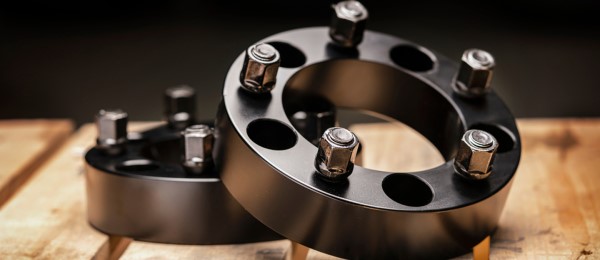
A wheel spacer is essentially a disc, usually made from aluminum or steel, that creates space between the wheel and the hub assembly. By pushing the wheel outward, it changes the offset and track width of the vehicle. This adjustment can make your car look more planted and, in some cases, improve stability.
The design may be straightforward, but the impact is anything but minor. Think of it as giving your car a broader set of shoulders it stands firmer and looks more confident on the road. Wheel spacers come in various thicknesses, allowing drivers to fine-tune their setup according to their needs.
Types of Wheel Spacers
There are generally two main types of wheel spacers: slip-on and bolt-on. Slip-on spacers are thinner and fit directly onto the hub, requiring longer wheel studs. Bolt-on spacers, on the other hand, are thicker and come with their own set of studs, making installation more secure and convenient.
Choosing the right type depends on your vehicle and your goals. While slip-on spacers are great for minor adjustments, bolt-on spacers are often preferred for more significant changes. It’s a classic case of picking the right tool for the job.
Benefits of Using Wheel Spacers
Enhanced Vehicle Appearance
One of the most noticeable benefits of a wheel spacer is the improved aesthetics. By pushing the wheels outward, the car achieves a flush, aggressive stance that turns heads wherever it goes. It’s like swapping out a plain outfit for a tailored suit the difference is night and day.
For many drivers, this visual upgrade alone is worth the investment. A wider stance can make even a standard vehicle look sporty and well-balanced, giving it that showroom-ready appeal.
Improved Stability and Handling
Beyond looks, wheel spacers can also enhance handling. By increasing the track width, they provide better stability, especially during cornering. The car feels more planted, reducing body roll and improving overall control.
However, it’s important to note that while spacers can improve handling, they are not a substitute for proper suspension upgrades. They work best as part of a well-rounded setup rather than a standalone solution.
Better Brake Clearance
Wheel spacers can also solve practical issues, such as brake clearance. If you’ve upgraded to larger brake calipers or rotors, spacers can create the necessary room for everything to fit properly. This makes them a handy solution for performance enthusiasts who want to avoid costly wheel replacements.
In this sense, wheel spacers are not just about style they’re also about functionality. They help bridge the gap between different components, ensuring everything works together seamlessly.
Potential Drawbacks and Risks
Increased Stress on Components
While wheel spacers offer several benefits, they are not without downsides. One of the main concerns is the additional stress placed on wheel bearings and suspension components. By moving the wheel outward, the leverage on these parts increases, which can lead to faster wear over time.
It’s not necessarily a deal-breaker, but it’s something to keep in mind. Like walking a tightrope, balance is key. Using spacers responsibly and choosing the right size can help minimize these risks.
Installation and Safety Concerns
Improper installation is another common issue. If wheel spacers are not installed correctly, they can lead to vibrations, uneven wear, or even wheel detachment in extreme cases. That’s why it’s crucial to follow proper installation procedures and torque specifications.
Safety should always come first. Cutting corners during installation is like playing with fire it’s simply not worth the risk. Taking the time to do it right ensures a smoother and safer driving experience.
Choosing the Right Wheel Spacer
Thickness and Fitment
Selecting the correct thickness is one of the most important decisions when choosing a wheel spacer. Too thin, and you won’t achieve the desired effect; too thick, and you may run into clearance issues or excessive strain on components.
Fitment is equally critical. The spacer must match your vehicle’s bolt pattern and hub size to ensure a secure fit. A mismatch can lead to vibrations and compromised safety, so it’s essential to get the details right.
Material and Quality
Not all wheel spacers are created equal. High-quality spacers are typically made from durable materials like billet aluminum, which offers strength without adding excessive weight. Cheaper alternatives may save money upfront but can compromise safety and performance.
When it comes to wheel spacers, you often get what you pay for. Investing in quality components is like building a house on a solid foundation it pays off in the long run.
Installation Tips for Wheel Spacers
Proper Tools and Preparation
Before installing wheel spacers, it’s important to have the right tools and a clean working environment. This includes a torque wrench, jack stands, and proper cleaning supplies. Ensuring that the hub surface is free of dirt and debris is crucial for a secure fit.
Preparation is half the battle. Taking the time to set things up properly can make the installation process smoother and more reliable.
Torque and Rechecking
Once installed, the lug nuts must be tightened to the manufacturer’s recommended torque specifications. It’s also a good idea to recheck the torque after driving a short distance, as components may settle.
This step is often overlooked but can make a world of difference. Think of it as double-checking your work it’s a small effort that can prevent big problems down the road.
Wheel Spacers vs. Wheel Offset
Understanding the Difference
Wheel spacers and wheel offset adjustments achieve similar results but in different ways. Offset refers to the positioning of the wheel mounting surface, while spacers physically move the wheel outward. Both can affect stance and handling, but they are not interchangeable.
Understanding this difference is key to making informed decisions. It’s like comparing apples and oranges they may serve a similar purpose, but they are fundamentally different.
When to Choose Spacers
Wheel spacers are often the go-to option when you want a quick and cost-effective solution. They allow you to achieve the desired look or clearance without purchasing new wheels. However, for long-term setups, custom wheels with the correct offset may be a better choice.
It ultimately comes down to your goals and budget. Spacers are a convenient fix, but they should be used wisely.
Maintenance and Long-Term Care
Regular Inspections
Keeping an eye on your wheel spacers is essential for long-term performance. Regular inspections can help identify issues such as loosening, corrosion, or wear. Catching problems early can save you from costly repairs down the line.
A little vigilance goes a long way. Just like routine car maintenance, checking your spacers ensures everything stays in top shape.
Cleaning and Upkeep
Maintaining clean components can also improve performance and longevity. Dirt and debris can affect how well the spacer sits against the hub, leading to potential issues. Regular cleaning helps maintain a secure fit and reduces the risk of complications.
It’s a simple habit that pays dividends. Keeping things clean and tidy ensures your setup remains reliable and effective.
Finally
A wheel spacer may be a small component, but it can make a big difference in both the look and performance of your vehicle. From enhancing aesthetics to improving stability, it offers a range of benefits that appeal to drivers of all kinds. However, it’s not a one-size-fits-all solution and requires careful consideration and proper installation.
When used correctly, wheel spacers can transform your ride, giving it that extra edge without breaking the bank. Like any upgrade, the key lies in balance, quality, and attention to detail. Get those right, and you’ll be cruising with confidence and style.