When the Body Turns Against Itself: Understanding ASMD Disease From the Ground Up

Introduction: What Is ASMD Disease and Why Does It Matter?
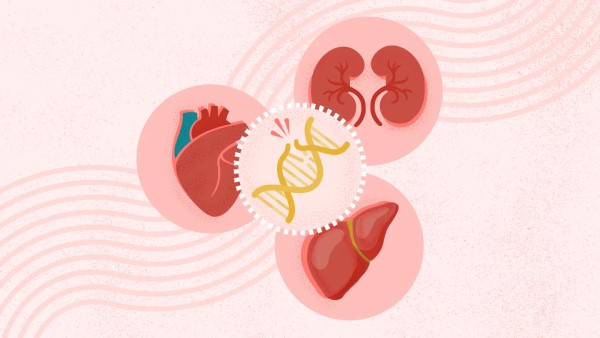
Acid sphingomyelinase deficiency, commonly known as ASMD disease, is a rare but serious inherited lysosomal storage disorder that occurs when the body fails to produce enough of an enzyme called acid sphingomyelinase. This enzyme is responsible for breaking down a fatty substance called sphingomyelin. When the enzyme is absent or significantly reduced, sphingomyelin accumulates in the body’s cells particularly in the liver, spleen, lungs, and nervous system causing progressive organ damage that, if left unaddressed, can be life-altering or even fatal.
ASMD disease is not a condition that wears its heart on its sleeve. Its symptoms can be subtle in the early stages, quietly building beneath the surface long before a definitive diagnosis is reached. For many patients and families, the journey to an accurate diagnosis is a long and winding road, often taking years and involving multiple specialists. Understanding ASMD from the ground up is the first step toward changing that reality.
The Genetic Blueprint Behind ASMD Disease
How ASMD Is Inherited
ASMD disease follows an autosomal recessive inheritance pattern, meaning a child must inherit a defective copy of the SMPD1 gene from both parents to develop the condition. Parents who each carry one mutated copy are known as carriers they typically show no symptoms themselves but carry the torch that can be passed to the next generation. Statistically, two carrier parents face a one-in-four chance with each pregnancy of having an affected child.
The SMPD1 gene provides the instructions for producing acid sphingomyelinase. Mutations in this gene directly impair the enzyme’s function, setting the stage for sphingomyelin accumulation throughout the body’s tissues and organs.
Types of ASMD Disease
ASMD is broadly classified into three types based on the degree of enzyme activity and the involvement of the central nervous system. Type A, historically called Niemann-Pick Disease Type A, is the most severe form and involves significant neurological deterioration. It typically presents in infancy and, sadly, is associated with a shortened life expectancy. Type B, also called chronic visceral ASMD, primarily affects the visceral organs the liver, spleen, and lungs and generally does not involve the nervous system. Many Type B patients survive into adulthood. Type A/B, or chronic neurovisceral ASMD, sits in the middle ground, involving both organ and neurological complications to varying degrees.
Recognizing the Signs: Symptoms of ASMD Disease
Early and Common Symptoms
One of the trickiest things about ASMD disease is that its early signs can easily be mistaken for other, more common conditions. The most telltale physical sign is an enlarged spleen, known medically as splenomegaly, which may cause abdominal discomfort and a visibly distended belly. An enlarged liver, or hepatomegaly, frequently accompanies splenic enlargement. Children with ASMD often fall behind the growth curve, experiencing failure to thrive despite adequate nutrition.
Lung involvement is another calling card of ASMD disease. Patients frequently experience recurrent respiratory infections, reduced lung capacity, and shortness of breath during physical activity. These pulmonary complications can significantly diminish quality of life and become more pronounced as the disease progresses.
Neurological and Developmental Concerns
In the more severe forms of ASMD disease, the nervous system does not get off scot-free. Neurological symptoms may include developmental delays, loss of motor milestones, cognitive decline, and in Type A cases, a rapid deterioration of neurological function. Cherry-red spots on the macula of the eye, detectable during an ophthalmologic exam, are a well-known clinical marker associated with neurological involvement in ASMD.
For patients with chronic forms of the disease, mood disturbances, learning difficulties, and subtle cognitive changes may emerge over time, often going unrecognized as disease-related until a thorough evaluation is conducted.
Diagnosing ASMD Disease
Diagnosing ASMD disease requires a multi-pronged approach. Physicians typically begin with blood tests measuring acid sphingomyelinase enzyme activity in white blood cells. Abnormally low enzyme levels raise a red flag and prompt further investigation. Genetic testing to identify mutations in the SMPD1 gene provides confirmation and helps determine the specific type of ASMD.
Imaging studies such as ultrasound or MRI are used to assess organ involvement, particularly the size and condition of the liver and spleen. Pulmonary function tests help evaluate lung capacity and track respiratory decline over time. In some cases, a bone marrow biopsy may be performed, where the presence of foam cells lipid-laden macrophages provides an additional diagnostic clue.
Newborn screening programs in certain regions are beginning to incorporate ASMD into their panels, which holds enormous promise for early detection before symptoms take hold.
Treatment and Management of ASMD Disease
Enzyme Replacement Therapy
For decades, management of ASMD disease was largely supportive, focusing on treating symptoms rather than addressing the root cause. That landscape changed significantly with the development of enzyme replacement therapy (ERT). Olipudase alfa, an ERT approved for non-neurological manifestations of ASMD, works by delivering a functional form of the enzyme directly into the bloodstream, allowing it to break down accumulated sphingomyelin in the liver, spleen, and lungs. Clinical trials have demonstrated meaningful improvements in organ volumes and pulmonary function in patients receiving this therapy.
Supportive and Symptomatic Care
Beyond ERT, patients benefit from a comprehensive care team that may include pulmonologists, hepatologists, neurologists, and dietitians. Respiratory support, physical therapy, and nutritional management all play important roles in maintaining quality of life. For patients with neurological involvement, early intervention services and educational support can make a world of difference in day-to-day functioning.
Living With ASMD Disease: Hope on the Horizon
ASMD disease is not a condition that defines a person it is one they navigate. Thanks to growing awareness, improving diagnostic tools, and advancing therapies, the outlook for many patients with ASMD is brighter today than it has ever been. Advocacy organizations, patient registries, and ongoing clinical research are steadily chipping away at the unknowns.
Families living with ASMD disease are not traveling this road alone. With the right information, a strong medical team, and a supportive community, those affected by this condition can rise to meet the challenge with resilience, courage, and a fighting spirit that no disease can take away.