Introduction
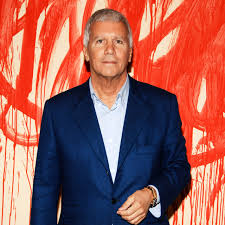
In the world of modern and contemporary art, few names command as much respect and influence as Larry Gagosian. Revered, envied, and sometimes criticised, Gagosian has transformed the traditional notion of art dealing into a global phenomenon. From humble beginnings selling posters near UCLA to owning one of the most powerful gallery networks in the world, his journey is nothing short of extraordinary. Today, Larry Gagosian stands not merely as an art dealer but as an institution in himself — a force that shapes taste, dictates trends, and sets records in the billion-dollar art industry.
Early Life and Background
The Beginnings of a Visionary
Lawrence Gilbert Gagosian, widely known as Larry Gagosian, was born on 19 April 1945 in Los Angeles, California, to Armenian-American parents. His grandparents emigrated from Armenia, seeking a better life in the United States. This cultural heritage, combined with his Californian upbringing, gave him a distinct mix of entrepreneurial spirit and resilience.
Gagosian studied English Literature at the University of California, Los Angeles (UCLA), graduating in 1969. During his early years, he worked several small jobs — including selling posters — which unexpectedly became the stepping stone to his future empire.
The Rise to Fame
From Posters to Paintings
Larry Gagosian’s story began modestly. In the early 1970s, he started selling posters outside UCLA under the name “Posters on Broxton.” This business soon evolved when he realised that people were willing to pay more for framed prints and limited editions. Spotting an opportunity, he began working directly with artists and photographers, transforming his small venture into a thriving art business.
By the late 1970s, he had opened his first gallery in West Hollywood. This marked the start of what would become a revolutionary career. His eye for emerging talent and ability to build relationships with collectors quickly set him apart from other dealers.
Building the Gagosian Empire
Establishing a Global Presence
In 1980, Larry Gagosian expanded to New York, the heart of the American art world. From there, his empire grew rapidly, spreading across major art capitals including London, Paris, Rome, Hong Kong, and Geneva. Today, the Gagosian Gallery operates multiple exhibition spaces worldwide, each known for its architectural elegance and museum-quality exhibitions.
The Business of Art
Gagosian is not simply a dealer; he is a master strategist. His galleries represent and exhibit some of the world’s most iconic artists and estates — including Pablo Picasso, Andy Warhol, Jeff Koons, Damien Hirst, and Jean-Michel Basquiat. Under his leadership, Gagosian Gallery became synonymous with exclusivity, prestige, and impeccable taste.
He also embraced modern business practices that were once alien to the art world — global branding, marketing, and large-scale events. By professionalising the art market, Gagosian helped transform art dealing into a powerful international enterprise.
Influence on the Art Market
Redefining Art Dealing
Larry Gagosian is often described as “the world’s most powerful art dealer” — and for good reason. He has an uncanny ability to spot opportunities, command prices, and influence the careers of artists. His network of collectors includes billionaires, celebrities, and institutions that trust his expertise in sourcing masterpieces.
Through strategic exhibition curation and skilful negotiation, he has managed to control the flow of major works into the market. In many ways, he redefined the concept of scarcity in art — making exclusivity the ultimate selling point.
Creating the Modern Art Experience
Under Gagosian’s leadership, galleries evolved from simple showrooms into cultural destinations. His exhibitions often rival museum shows in both scale and significance. By curating ambitious solo and group exhibitions, he has elevated contemporary art to new commercial and cultural heights.
His embrace of digital platforms — including virtual exhibitions and online viewing rooms — during global lockdowns further proved his adaptability and foresight. These innovations ensured Gagosian Galleries remained at the forefront of art engagement, even when physical spaces were closed.
The Collector and the Cultural Patron
Personal Art Taste and Acquisitions
Larry Gagosian is as much a collector as he is a dealer. His personal collection includes works by Andy Warhol, Cy Twombly, and Roy Lichtenstein. In 2022, he made headlines after purchasing Andy Warhol’s Shot Sage Blue Marilyn for approximately $195 million, making it the most expensive 20th-century artwork sold publicly at that time.
This purchase not only reflected his financial power but also demonstrated his deep understanding of cultural value. To Gagosian, art is more than a commodity — it is history, influence, and identity combined.
Supporting Artists and Communities
Despite his global stature, Gagosian has shown a consistent commitment to supporting artists and local communities. In 2025, he purchased BookHampton, an independent bookshop in East Hampton, with the aim of preserving it as a cultural landmark. This act reflected his appreciation for literature and his belief in nurturing creative spaces beyond the art market.
Controversies and Criticisms
The Dual Nature of Power
With power comes scrutiny, and Larry Gagosian’s career has not been free from controversy. Critics have accused him of monopolising the art world, controlling supply, and inflating prices. His close relationships with wealthy collectors and his aggressive sales tactics have sometimes drawn scepticism from art purists who prefer a more academic approach.
However, supporters argue that his influence has elevated the global recognition of contemporary artists and brought art to broader audiences. His ability to balance business and creativity has reshaped the very foundation of how art is valued.
Personal Life in the Spotlight
Gagosian’s personal life occasionally makes headlines, particularly his relationship with much younger artist Anna Weyant, whose career he has helped promote. While this has attracted media attention, it has also highlighted his ongoing involvement in supporting emerging talent.
Legacy and Lasting Impact
Shaping the Future of Art
Larry Gagosian’s name is now etched into the fabric of art history. His galleries have set benchmarks for presentation, marketing, and artist representation. Through his relentless ambition and sharp business acumen, he has built a network that connects artists, collectors, and institutions on a global scale.
His influence extends far beyond commerce. He has helped redefine art’s role in modern society — transforming it from an elitist pursuit into a dynamic, global industry that captivates millions.
The Human Behind the Empire
Behind his polished suits and powerful image lies a man driven by passion. Larry Gagosian’s journey from selling posters on the streets of Los Angeles to running one of the most prestigious art empires in the world is a story of vision, persistence, and reinvention. He embodies the idea that art and enterprise can coexist — and even thrive together.
Conclusion
Larry Gagosian is not merely a dealer; he is a cultural architect. His influence on the art world is unparalleled, blending commerce with creativity and transforming the way art is perceived, bought, and sold. From Los Angeles to London, his galleries continue to shape conversations around art and value.
In every sense, Gagosian’s story is a masterclass in ambition, innovation, and cultural leadership. As the art world continues to evolve, one thing remains certain — Larry Gagosian’s name will always be synonymous with power, prestige, and passion for art.