Introduction
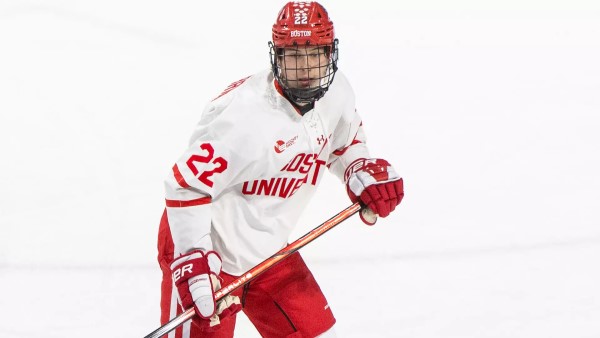
When the name Aiden Celebrini begins to circulate in hockey conversations, it carries both intrigue and expectation. While many fans initially recognize the Celebrini surname due to its growing prominence in elite hockey circles, Aiden is proving he is far more than just a familiar last name. He is steadily building his own identity through discipline, skill, and a relentless drive that sets him apart from the pack.
In a sport where pressure can either make or break young talent, Aiden is skating with confidence and purpose. His journey is not about riding coattails it is about earning every inch of ice. As his career continues to unfold, one thing becomes crystal clear: Aiden Celebrini is not just part of the future of hockey; he is actively shaping it.
Early Life and Family Influence
Growing Up in a Hockey-Driven Environment
Aiden Celebrini was born into an environment where excellence was the baseline expectation. Growing up in a family deeply rooted in athletics, he was exposed to high-performance standards from an early age. His father, known for his expertise in sports science and conditioning, played a critical role in shaping Aiden’s understanding of physical preparation and mental toughness.
Being surrounded by competitive energy meant that Aiden learned quickly that talent alone does not cut it. Hard work, consistency, and resilience were daily lessons, not occasional reminders. This upbringing instilled a mindset where effort is non-negotiable and improvement is a constant pursuit.
The Influence of Sibling Rivalry
Sharing the ice and the spotlight with his brother, Macklin Celebrini, naturally created a competitive yet motivating dynamic. Instead of being overshadowed, Aiden used this environment as fuel. Healthy rivalry pushed him to sharpen his skills, think faster, and compete harder.
Rather than being intimidated, he embraced the challenge. It’s the kind of sibling competition that forges grit and character, giving Aiden a mental edge that many young players struggle to develop.
Playing Style and Strengths
A Complete Two-Way Player
Aiden Celebrini’s playing style reflects a modern, well-rounded hockey player. He is not confined to a single role; instead, he adapts fluidly to the needs of the game. His ability to contribute both offensively and defensively makes him a valuable asset on the ice.
He reads plays exceptionally well, often anticipating moves before they fully develop. This hockey IQ allows him to position himself strategically, intercept passes, and create scoring opportunities. In a game that moves at lightning speed, his awareness is a game-changer.
Skating and Agility
If there is one aspect of Aiden’s game that stands out immediately, it is his skating. Smooth, explosive, and controlled, his stride allows him to cover ground quickly while maintaining balance and precision. Whether he is chasing down a puck or maneuvering through defenders, his agility gives him a clear advantage.
His skating is not just about speed it is about efficiency. Every movement has purpose, making him both energy-efficient and dangerous throughout the game. That kind of control often separates good players from great ones.
Work Ethic and Competitive Edge
Aiden Celebrini plays every shift like it matters and it does. His work ethic is evident in his relentless puck pursuit and willingness to battle in tight spaces. He does not shy away from physical play, even against stronger opponents.
This grit is what coaches love. It is the kind of attitude that turns close games into victories. As the saying goes, “hard work beats talent when talent doesn’t work hard,” and Aiden embodies that philosophy to the core.
Development and Career Progression
Climbing the Competitive Ladder
Aiden’s journey through youth hockey has been marked by steady growth and consistent improvement. He has competed in highly competitive leagues, where the margin for error is razor-thin. Each level has tested his abilities, forcing him to adapt and elevate his game.
Unlike players who plateau early, Aiden continues to evolve. His development curve shows a player who is not just keeping up but pushing forward with intention. Coaches and scouts alike have taken notice of his upward trajectory.
Training and Discipline
Behind every strong performance lies countless hours of preparation. Aiden’s training regimen is both rigorous and strategic. From on-ice drills to off-ice conditioning, he approaches every session with focus and determination.
His exposure to professional-level training methods has given him an edge. He understands the importance of recovery, nutrition, and mental preparation elements that often go overlooked at a young age but are crucial for long-term success.
Mental Toughness and Character
Handling Pressure with Poise
Being associated with a well-known hockey family comes with its fair share of pressure. Expectations can weigh heavily, especially when comparisons are inevitable. However, Aiden Celebrini has shown an impressive ability to stay grounded.
He does not let outside noise dictate his performance. Instead, he focuses on what he can control his effort, his attitude, and his growth. This mental resilience allows him to perform under pressure, a trait that becomes increasingly valuable at higher levels of competition.
Leadership Qualities
Even at a young stage in his career, Aiden demonstrates natural leadership qualities. He leads by example, showing teammates what commitment and accountability look like. His presence on the ice brings energy and stability, making him someone others can rely on.
Leadership is not always about wearing a captain’s letter; sometimes, it is about setting the tone. Aiden does exactly that, proving that actions often speak louder than words.
Comparing Aiden and Macklin Celebrini
Similarities in Skill and Mindset
It is impossible to discuss Aiden Celebrini without acknowledging the parallels with his brother, Macklin. Both players share a high hockey IQ, strong skating ability, and an unwavering work ethic. These shared traits highlight the influence of their upbringing and training environment.
Their understanding of the game runs deep, allowing them to make smart decisions under pressure. This level of awareness is not easily taught it is developed through years of experience and dedication.
Carving His Own Identity
Despite the similarities, Aiden is determined to carve out his own path. He is not trying to mirror his brother’s journey but rather define his own version of success. This individuality is crucial, as it allows him to grow authentically without being boxed into comparisons.
In the long run, this mindset will serve him well. Hockey history is filled with players who thrived by embracing their unique strengths, and Aiden is following that same blueprint.
Future Potential and Outlook
A Player to Watch
Aiden Celebrini is steadily gaining recognition as a player to watch in the coming years. His combination of skill, intelligence, and determination makes him a strong candidate for higher levels of competition. As he continues to develop, his ceiling appears incredibly high.
Scouts are particularly interested in players who show consistent improvement, and Aiden fits that profile perfectly. He is not just maintaining his performance he is building on it.
The Road Ahead
The journey to elite hockey is not a straight line; it is filled with challenges, setbacks, and learning opportunities. For Aiden, the road ahead will require continued dedication and adaptability. However, if his current trajectory is any indication, he is more than capable of navigating whatever comes his way.
With the right mindset and support system, he has the potential to make a significant impact at higher levels. It is not a question of if he will succeed, but how far he can go.
Conclusion
Aiden Celebrini is a name that is quickly gaining traction in the hockey world, and for good reason. He represents the perfect blend of talent, hard work, and mental toughness. While his family name may open doors, it is his performance that will keep them open.
In a sport where every inch is earned, Aiden is proving that he belongs. He is not just chasing success he is building it, one game at a time. As his journey continues, fans and analysts alike will be watching closely, knowing that they are witnessing the rise of a player who is destined to leave his mark.
In the grand scheme of things, Aiden Celebrini is still at the beginning of his story. But if the early chapters are any indication, this is a story worth following and one that promises to deliver excitement, resilience, and excellence every step of the way.