
Introduction: What Is the Lamina Nucleus?
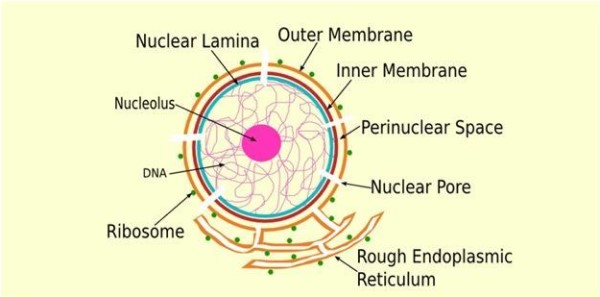
The term “lamina nucleus” often refers to the nuclear lamina, a dense, fibrous network that lines the inner surface of the nucleus in eukaryotic cells. While it may not grab headlines like DNA or chromosomes, this structure quietly keeps the show running behind the scenes. Think of it as the scaffolding that holds a building together without it, the entire structure could collapse under pressure.
The lamina nucleus is composed mainly of proteins called lamins, which provide mechanical support and play a role in organizing genetic material. These proteins form a mesh-like layer that stabilizes the nuclear envelope and ensures that the nucleus maintains its shape. In simple terms, it’s the unsung hero that keeps the cell’s command center intact and functioning smoothly.
Structure and Composition of the Nuclear Lamina
The Role of Lamins
Lamins are specialized proteins that form the backbone of the lamina nucleus. They belong to a class of proteins known as intermediate filaments, which are crucial for maintaining cellular integrity. There are different types of lamins, including A-type and B-type lamins, each with specific roles in nuclear stability and gene regulation.
These proteins assemble into a network that supports the nuclear envelope from within. This network isn’t static; it’s dynamic and capable of reorganizing itself during processes like cell division. It’s like a well-oiled machine that adapts to the cell’s needs, ensuring everything stays in tip-top shape.
Connection to the Nuclear Envelope
The lamina nucleus is closely associated with the nuclear envelope, which acts as a barrier between the nucleus and the cytoplasm. The lamina provides structural reinforcement to this envelope, preventing it from deforming under stress. Without this support, the nucleus would be as fragile as a house of cards.
Additionally, the lamina interacts with nuclear pore complexes, which regulate the movement of molecules in and out of the nucleus. This interaction ensures that essential processes like RNA transport and protein import occur efficiently. In other words, the lamina doesn’t just hold things together it helps keep traffic flowing smoothly.
Functions of the Lamina Nucleus
Maintaining Nuclear Shape and Stability
One of the primary functions of the lamina nucleus is to maintain the shape and stability of the nucleus. Cells are constantly subjected to mechanical forces, whether from movement, growth, or external pressure. The lamina acts as a shock absorber, protecting the nucleus from damage.
This structural support is especially important in cells that experience high levels of stress, such as muscle cells. Without a strong lamina, the nucleus could become deformed, leading to impaired cellular function. It’s a classic case of strength behind the scenes making all the difference.
Organizing Chromatin
The lamina nucleus also plays a crucial role in organizing chromatin, the complex of DNA and proteins that make up chromosomes. Certain regions of chromatin are anchored to the lamina, helping to regulate gene expression. This organization ensures that genes are turned on or off at the right time.
By influencing the spatial arrangement of DNA, the lamina acts as a gatekeeper of genetic activity. It’s not just about structure it’s about function. This dual role highlights the importance of the lamina in maintaining cellular health and efficiency.
Regulating Gene Expression
Beyond structural support, the lamina nucleus is deeply involved in regulating gene expression. Genes located near the lamina are often less active, while those positioned away from it tend to be more active. This spatial arrangement creates a functional map within the nucleus.
This regulation is essential for processes like cell differentiation and development. By controlling which genes are expressed, the lamina helps determine a cell’s identity and function. It’s like a conductor leading an orchestra, ensuring every part plays its role at the right time.
Lamina Nucleus and Cell Division
Disassembly and Reassembly
During cell division, the nuclear envelope breaks down, and the lamina nucleus disassembles. This process allows chromosomes to separate and move to opposite ends of the cell. Once division is complete, the lamina reassembles around the newly formed nuclei.
This cycle of disassembly and reassembly is tightly regulated and essential for proper cell division. Any disruption in this process can lead to errors, such as uneven distribution of genetic material. It’s a delicate dance that must be executed flawlessly.
Ensuring Genetic Integrity
The lamina nucleus also plays a role in maintaining genetic integrity during cell division. By organizing chromatin and supporting the nuclear structure, it helps ensure that DNA is accurately replicated and distributed. This function is critical for preventing mutations and maintaining cellular health.
In this sense, the lamina acts as a quality control system, ensuring that each new cell receives a complete and accurate set of genetic instructions. It’s a responsibility that underscores its importance in the grand scheme of cellular biology.
Diseases Linked to Lamina Dysfunction
Laminopathies
When the lamina nucleus doesn’t function properly, it can lead to a group of diseases known as laminopathies. These conditions are caused by mutations in lamin proteins and can affect various tissues, including muscles, fat, and the nervous system.
Examples of laminopathies include muscular dystrophy and certain premature aging disorders. These diseases highlight just how critical the lamina is to overall health. When it’s out of sync, the effects can ripple throughout the entire body.
Impact on Aging
The lamina nucleus is also closely linked to the aging process. Changes in lamin proteins can lead to structural defects in the nucleus, contributing to cellular aging. This connection has made the lamina a key area of research in understanding age-related diseases.
Scientists are exploring how maintaining lamina integrity could potentially slow down aging or reduce the risk of certain conditions. While there’s still much to learn, the lamina nucleus is clearly a piece of the puzzle when it comes to longevity.
Why the Lamina Nucleus Matters in Modern Science
Advancements in Research
The lamina nucleus has become a hot topic in modern scientific research. Advances in imaging and molecular biology have allowed scientists to study its structure and function in greater detail. These discoveries are shedding light on its role in health and disease.
Understanding the lamina could lead to new treatments for conditions caused by its dysfunction. It’s an exciting field that continues to evolve, offering new insights into the inner workings of the cell.
Future Implications
Looking ahead, the study of the lamina nucleus holds great promise. From developing targeted therapies to improving our understanding of cellular processes, its potential applications are vast. As research progresses, we may uncover new ways to harness its functions for medical and scientific advancements.
In many ways, the lamina nucleus is a reminder that even the smallest components of life can have a big impact. By digging deeper into its mysteries, scientists are opening doors to new possibilities and paving the way for future breakthroughs.
Final Thoughts
The lamina nucleus may not be the most talked-about structure in biology, but it’s undoubtedly one of the most important. From maintaining nuclear stability to regulating gene expression, it plays a central role in keeping cells healthy and functional. Like the backbone of a well-built structure, it provides the support needed for everything else to thrive.
As research continues to unfold, the significance of the lamina nucleus becomes increasingly clear. It’s a perfect example of how something seemingly small can make a world of difference. By understanding its functions and implications, we gain a deeper appreciation for the complexity and beauty of life at the cellular level.
