Ingebim: Revolutionising Construction and Engineering With Smart Digital Modelling

Introduction
Ingebim is fast becoming one of the most important concepts in modern construction, engineering and infrastructure planning. It blends the power of digital modelling tools with the precision of engineering discipline, helping teams plan smarter, build efficiently and manage assets throughout their lifecycle.
At its core, Ingebim goes beyond traditional 3D models. It brings together data, collaboration, planning and performance tracking in one shared system. For complex projects like new transport hubs, bridges or large commercial buildings, Ingebim acts like a digital backbone connecting people, information and technology.
This article explores what Ingebim really means, how it works, why it matters to the construction industry, who uses it, and how it is shaping the future of engineering and built environments.
What Is Ingebim?
A New Era of Digital Engineering
Ingebim combines Building Information Modelling (BIM) with engineering data and collaborative processes. BIM on its own creates digital representations of a building or infrastructure project, covering design and geometry. But Ingebim goes further by embedding technical data, cost information, construction sequences, maintenance schedules and project logic into the model.
Instead of static plans, Ingebim produces live, data-rich digital models that update as changes are made, ensuring everyone works from the same version of truth. This reduces errors, speeds up decision making and improves coordination across teams.
Why the Name Matters
The term “Inge” highlights the engineering emphasis — this is BIM built around real engineering requirements rather than just basic design software. Ingebim puts engineering at the centre, making models more accurate and more useful throughout the project lifecycle.
How Ingebim Works
Integrated Digital Models
Ingebim creates models that combine visual design with technical details and metadata. This can include:
-
Material specifications
-
Cost breakdowns
-
Scheduling and sequencing
-
Structural calculations
-
Energy performance and sustainability data
-
Maintenance planning
Every piece of information linked in the model makes it easier to predict outcomes, identify clashes and manage risks.
Centralised Data Sharing
One of the biggest strengths of Ingebim is that it enables centralised information sharing. Instead of separate plans and spreadsheets spread across teams, all stakeholders — architects, engineers, project managers, contractors and facilities managers — interact with the same dataset.
This means if a change is made to the design, the ripple effect is visible immediately in schedule and cost predictions. No need to re‑draw plans or manually update timelines.
Clash Detection and Problem Prevention
Ingebim systems use smart detection tools to find problematic overlaps or mismatches before construction begins. For example, if plumbing clashes with a structural beam, the model highlights it early. This saves time, money and avoids delays on site.
Preventing errors on paper rather than during physical construction is one of the biggest efficiency gains Ingebim offers.
Key Components of Ingebim
BIM Foundation
The heart of Ingebim is the BIM model — a 3D representation of the physical project. But unlike traditional BIM, Ingebim’s models are intelligent, containing more than geometry. They include functional data, making them useful not just for design but for engineering decisions.
Engineering Data Layer
The engineering layer adds calculations, load information, structural logic and machine‑readable data. This gives engineers the power to simulate performance, predict behaviour and plan maintenance long before bricks are laid.
Collaboration Platform
Ingebim isn’t just software — it’s a collaboration ecosystem. Teams use shared platforms where changes, updates and feedback happen in real time. This shared environment stops siloed decision making and encourages transparency.
Lifecycle Management Tools
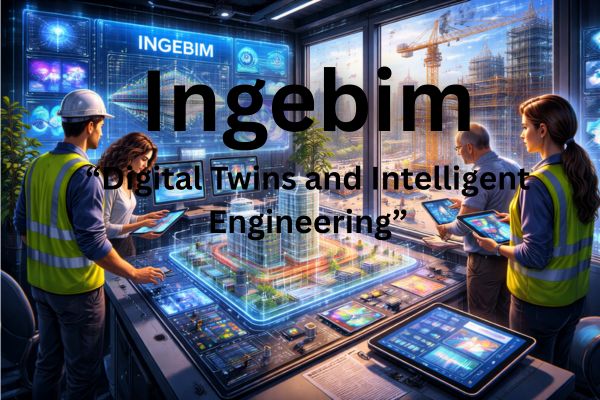
Ingebim models continue to be useful after construction finishes. They can evolve into digital twins — virtual replicas of the physical asset that track updates, maintenance needs and performance over years or decades.
This makes Ingebim useful not just for builders but for facilities managers and owners too.
Benefits of Using Ingebim
Enhanced Coordination
Ingebim reduces miscommunication because all teams work from the same data. When architects, structural engineers, electrical designers and project managers share input, the chances of conflict drop dramatically.
Reduced Costs and Risks
Because Ingebim identifies problems early, projects spend less on reworks, material waste and scheduling delays. Errors spotted in the model are far cheaper to resolve than errors on site.
For clients, this means better budgets and clearer forecasts.
Better Planning and Forecasting
With integrated scheduling and cost analysis, Ingebim enables accurate planning. Teams can test “what if” scenarios — for example, how delaying a major component affects the overall timeline — and adapt before work begins.
Sustainability Insights
With engineering data and energy modelling built in, Ingebim helps teams make decisions that are not only structurally sound but environmentally efficient. Planners can evaluate energy performance, material footprints and lifecycle costs during early design phases.
Long‑Term Asset Management
Once a project is complete, the Ingebim model can continue as a digital twin, helping owners manage maintenance, renovations and performance tracking. This future‑proofs the investment and supports safer, smarter buildings long after construction.
Who Uses Ingebim?
Architects and Designers
Architects benefit from Ingebim by creating designs that are not just visually precise but engineering‑sound and buildable. They can see how their creative vision interacts with technical constraints in real time.
Structural and Civil Engineers
Engineers use Ingebim to validate performance criteria. They can run simulations, test load capacities, analyse materials and refine designs with confidence that data is accurate.
Project Managers
Project managers gain powerful planning tools through Ingebim. Patented sequencing, scheduling automation and cost integration mean projects can be managed with far less guesswork.
Contractors and Builders
On construction sites, builders see the benefits of Ingebim through fewer clashes, more accurate material lists, and better coordination between trades. This leads to faster build times and fewer interruptions.
Facilities and Asset Managers
Ingebim is a long‑term investment. Facilities managers use the same models to track maintenance cycles, performance issues and future upgrades. This ensures assets stay functional and safe throughout their life.
Real‑World Example: Using Ingebim in Infrastructure
Imagine a major city building a new transport hub. Traditional planning might involve separate teams for architecture, engineering, costing, scheduling and maintenance. With Ingebim:
-
Structural engineers test load stresses within the model
-
Cost analysts see real‑time impact of design changes
-
Planners adjust timelines instantly
-
Maintenance teams prepare long‑term lifecycle data
Instead of working in isolation, the entire project team benefits from a single, shared model that grows with the project.
Challenges and Considerations
Adoption and Training
Ingebim is powerful, but it requires skilled professionals who understand both technology and engineering. Teams need training to use full capabilities.
Technology Investment
Smaller firms might find the initial cost of software tools and hardware challenging, though long‑term savings often outweigh upfront expenses.
Data Management
Because models are data‑rich, teams must maintain good data governance and security practices to safeguard sensitive project information.
The Future of Ingebim
AI and Predictive Modelling
Ingebim is expected to evolve with artificial intelligence that can predict structural outcomes before design decisions are final. This makes models even smarter and more proactive.
Cloud‑Based Global Collaboration
Remote teams across continents can now collaborate through cloud‑based Ingebim platforms, making global projects more manageable.
Integration With Smart Cities
As cities adopt IoT and connected infrastructure, Ingebim models may link with urban data systems to support smarter cities, smarter buildings and responsive infrastructure.
Conclusion
Ingebim represents a major leap forward in engineering and construction technology. By combining intelligent digital models, deep engineering data, collaborative workflows and lifecycle asset insights, it transforms how projects are planned, built and managed.
For architects, engineers, builders and owners alike, Ingebim provides a single source of truth that improves accuracy, saves money and reduces risk. As the industry becomes more digital and data driven, Ingebim stands at the forefront of innovation, shaping the future of construction and infrastructure development.
Understanding and adopting Ingebim is no longer optional for competitive teams — it’s becoming essential for success in a world where complexity, scale and expectations are constantly growing.